Orthopaedic Problems in Desk Workers – Why IT Professionals in HSR Layout Are Visiting Orthopaedic Doctors More Than Ever
Orthopaedic problems in desk workers are increasing across HSR Layout, Haralur, Electronic City, Kudlu, Rayasandra, and Bangalore. Learn the causes, symptoms, prevention tips, and non-surgical treatment options.
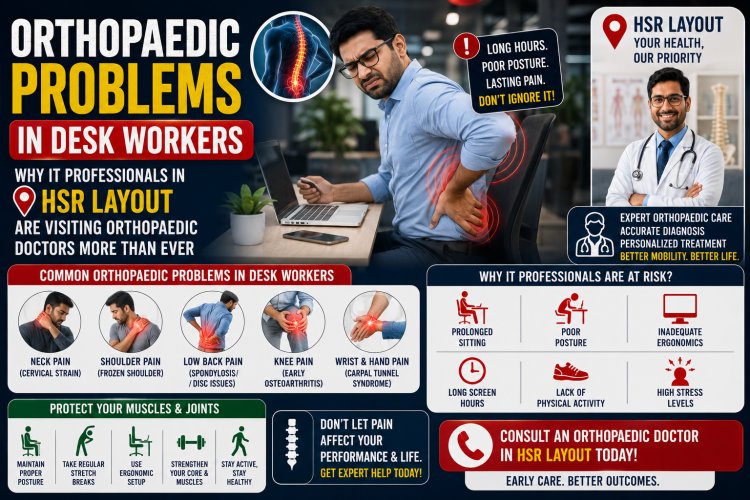
Bangalore is India's Silicon Valley, where thousands of professionals spend 8 to 12 hours every day working in front of computers. While technology has transformed the way we work, it has also created a silent epidemic of orthopedic problems among desk workers.
Orthopedic specialists are seeing a significant increase in young professionals from HSR Layout, Haralur, Electronic City, Kudlu, and Rayasandra suffering from chronic back pain, neck pain, shoulder stiffness, knee pain, and repetitive strain injuries.
If you're searching for the Best Orthopedic Doctor in Bangalore, Orthopedic Treatment in HSR Layout, or Non-Surgical Orthopedic Treatment, this guide explains why desk workers are increasingly developing orthopedic conditions and how early treatment can help.
Consult our Orthopedic Specialists:
Best Orthopedic Doctor Bangalore | Orthopedic Hospital Bangalore | Minchu Health Care
Why Desk Workers Are Developing Orthopedic Problems Earlier
The human body is designed to move, not remain seated for hours. Long periods of sitting reduce blood circulation, weaken muscles, increase pressure on spinal discs, and place excessive stress on joints.
Many IT professionals now begin experiencing orthopedic symptoms in their late 20s and early 30s instead of much later in life.
- Continuous computer work
- Poor sitting posture
- Minimal physical activity
- Long commuting hours
- Work From Home lifestyle
- Stress-related muscle tension
Top 10 Orthopedic Problems Seen in Desk Workers
1. Chronic Neck Pain
Looking down at laptops and mobile phones for long periods causes "Tech Neck," one of the fastest-growing orthopedic conditions.
2. Lower Back Pain
Poor lumbar support and prolonged sitting increase pressure on spinal discs, leading to chronic lower back pain.
3. Sciatica
Long sitting may irritate the sciatic nerve in some people, causing pain that radiates down one leg.
4. Frozen Shoulder
Limited shoulder movement throughout the day may contribute to stiffness and reduced mobility.
5. Tennis Elbow
Continuous mouse and keyboard use may lead to repetitive strain injuries affecting the elbow.
6. Wrist Pain
Improper keyboard positioning can place excessive strain on the wrist joints and tendons.
7. Knee Pain
Weak thigh muscles, prolonged sitting, and reduced movement may contribute to knee discomfort.
8. Hip Tightness
Long sitting shortens the hip flexor muscles, affecting posture and movement.
9. Poor Posture Syndrome
Rounded shoulders and forward head posture are becoming increasingly common among office workers.
10. Early Osteoarthritis
Sedentary lifestyles combined with obesity may increase stress on weight-bearing joints over time.

Early Warning Signs You Should Never Ignore
- Neck stiffness
- Back pain after office work
- Shoulder pain
- Numbness in fingers
- Knee pain while climbing stairs
- Frequent headaches
- Poor posture
- Difficulty sitting for long hours
- Muscle fatigue
- Reduced flexibility
How Orthopedic Doctors Diagnose Workplace Injuries
- Detailed medical history
- Posture assessment
- Movement analysis
- Joint examination
- Neurological assessment
- X-ray (when required)
- MRI scan (if indicated)
Best Non-Surgical Orthopedic Treatments
Most desk-related orthopedic problems improve without surgery when treated early.
- Physiotherapy
- Posture Correction Programs
- Ergonomic Assessment
- Manual Therapy
- Core Strengthening Exercises
- Stretching Programs
- PRP Therapy (for selected conditions)
- Weight Management
10 Tips to Protect Your Bones and Joints at Work
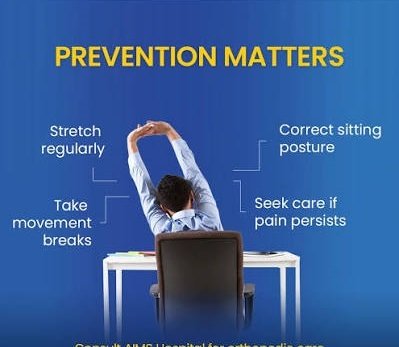
- Stand up every 30–45 minutes
- Stretch your neck and shoulders regularly
- Use an ergonomic chair
- Keep your monitor at eye level
- Strengthen your core muscles
- Walk during phone calls
- Drink enough water
- Exercise at least 30 minutes daily
- Maintain a healthy weight
- Schedule regular orthopedic checkups if pain persists
-

When Should You Visit an Orthopedic Doctor?
- Pain lasting more than one week
- Numbness or tingling
- Difficulty walking
- Pain affecting sleep
- Reduced movement
- Sports injuries
- Persistent neck or back pain
Residents of HSR Layout, Haralur, Electronic City, Kudlu, and Rayasandra should seek early orthopedic consultation to avoid chronic pain and improve long-term mobility.
Frequently Asked Questions
Can sitting all day cause orthopedic problems?
Yes. Prolonged sitting, poor posture, and limited movement can contribute to neck pain, back pain, joint stiffness, and muscle weakness.
Can desk worker orthopedic problems be treated without surgery?
Many conditions improve with physiotherapy, posture correction, exercise, ergonomic changes, and other conservative treatments.
How often should office workers take breaks?
Experts generally recommend standing, stretching, or walking briefly every 30–45 minutes to reduce prolonged sitting and improve circulation.
What's Your Reaction?